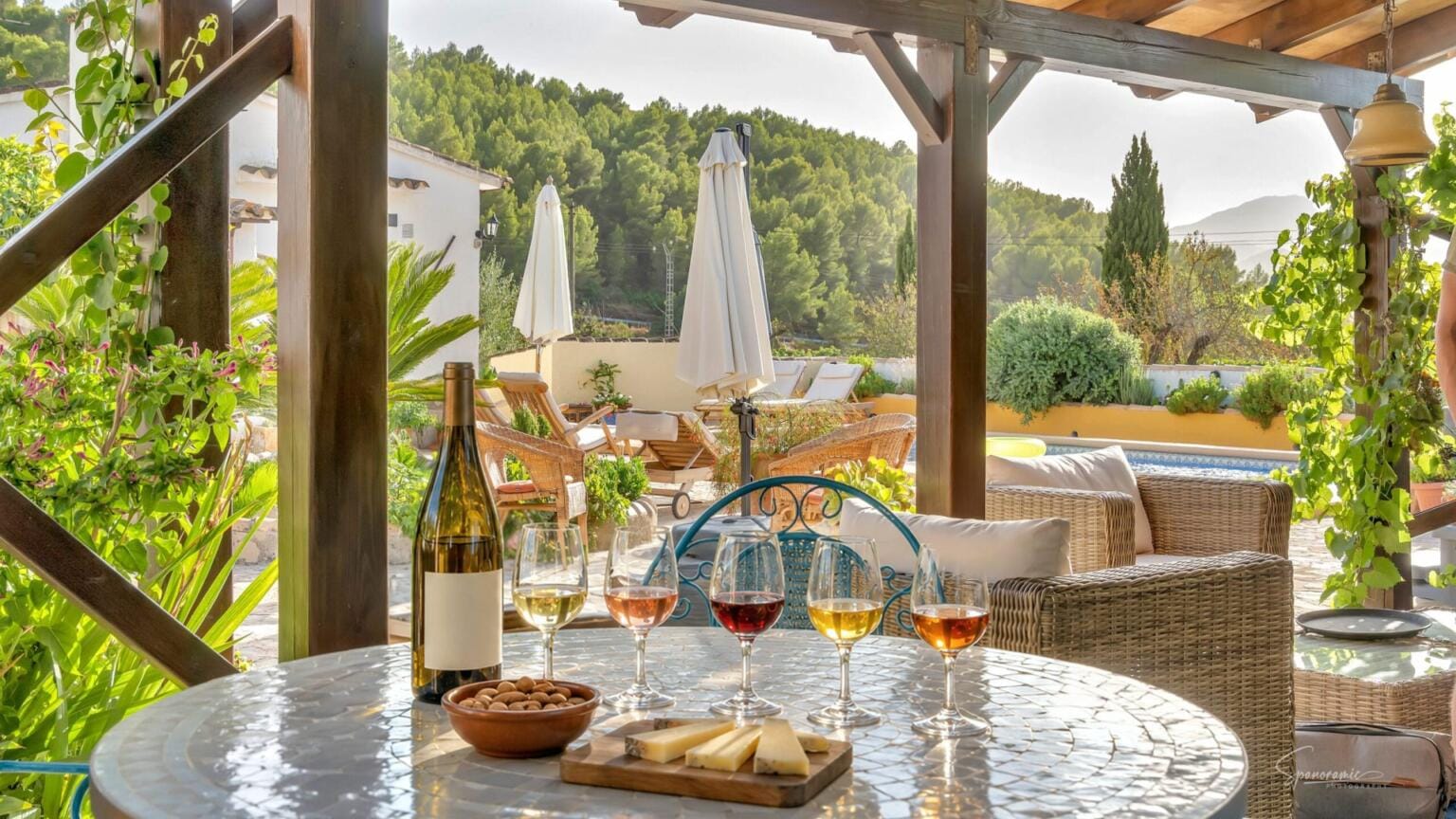
Wine tasting on the covered terrace at Casa Llibertat in the Jalón Valley, with tasting glasses, almonds and cheese

Wine tasting in the Jalón Valley: the best bodegas around Llíber

1 November 2026 7 min read

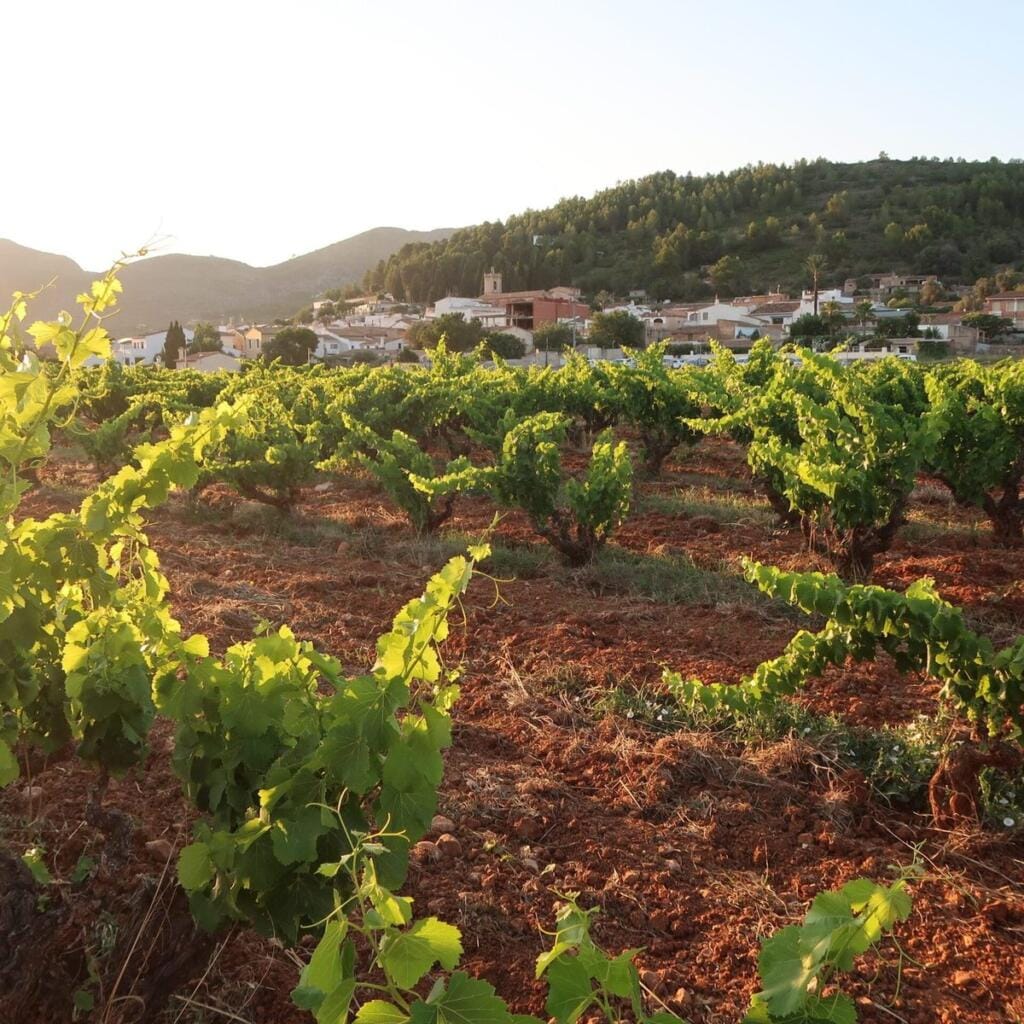
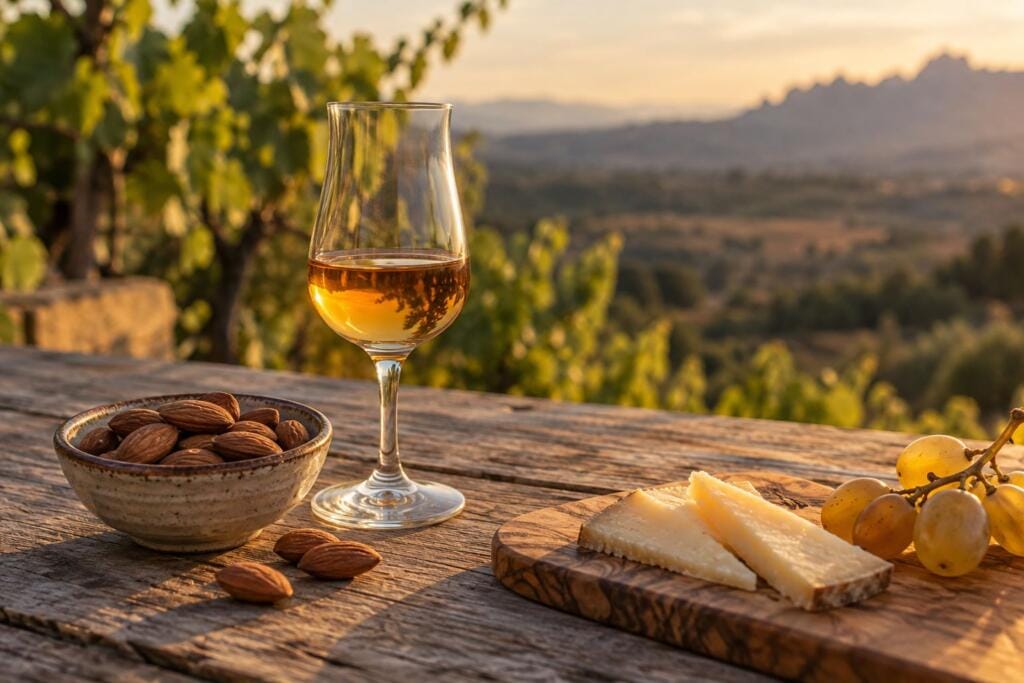
A cool glass of moscatel on a terrace, looking out over the vines the grapes came from. That's what wine tasting is like in the Jalón Valley, or the Vall de Pop as they call it here. This is the heart of moscatel country. The grape has been growing here for centuries, among the almond trees, the dry stone walls and the mountains.

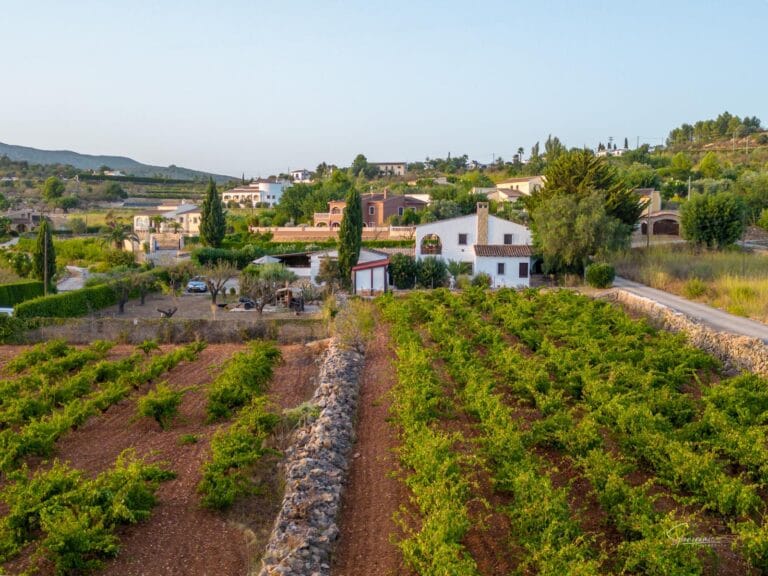
Casa Llibertat sits right in the middle of it. The nearest bodega is in our own village, the next one in the village next door. In this guide we round up four wineries we personally recommend to our guests. We'll tell you what ends up in your glass, what a wine tasting costs and how best to plan it.
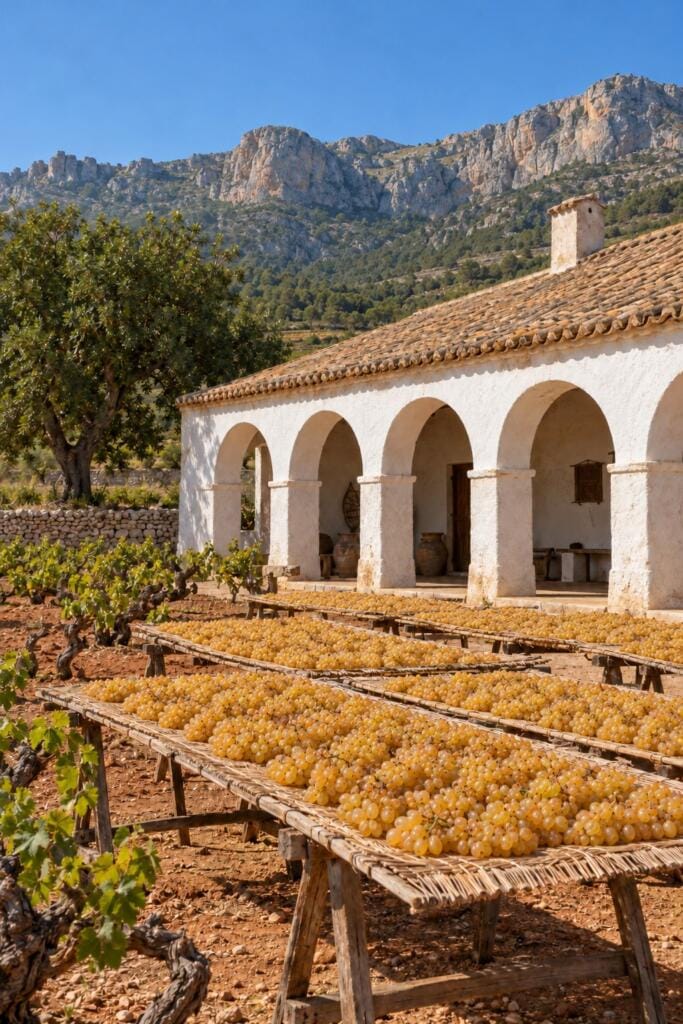
Moscatel grapes drying on reed mats in front of an arched, whitewashed riu-rau in the Marina Alta

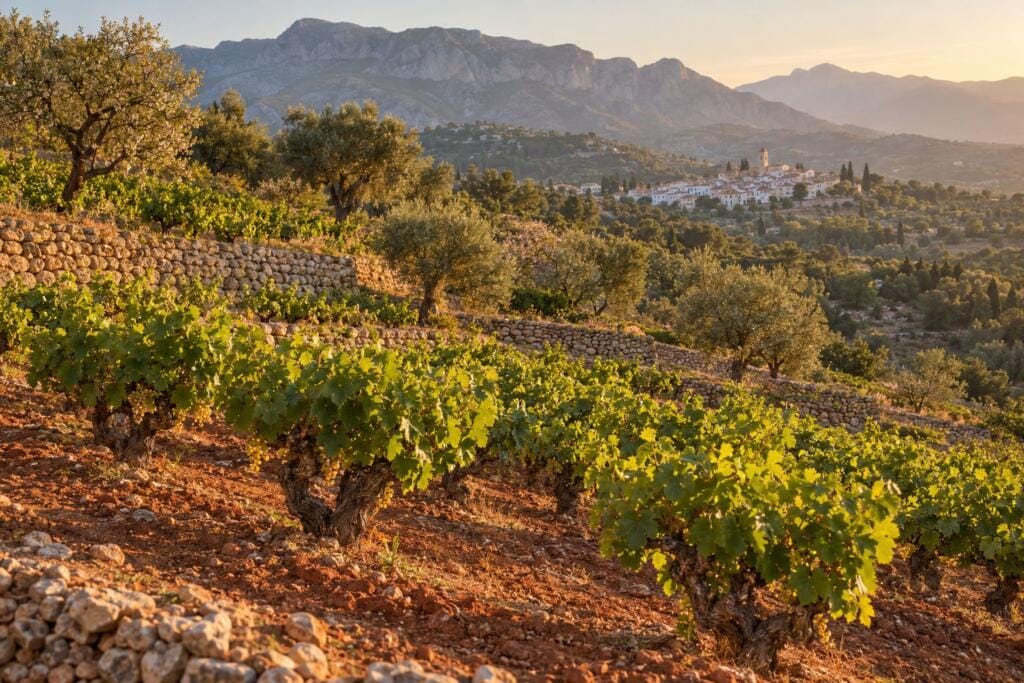
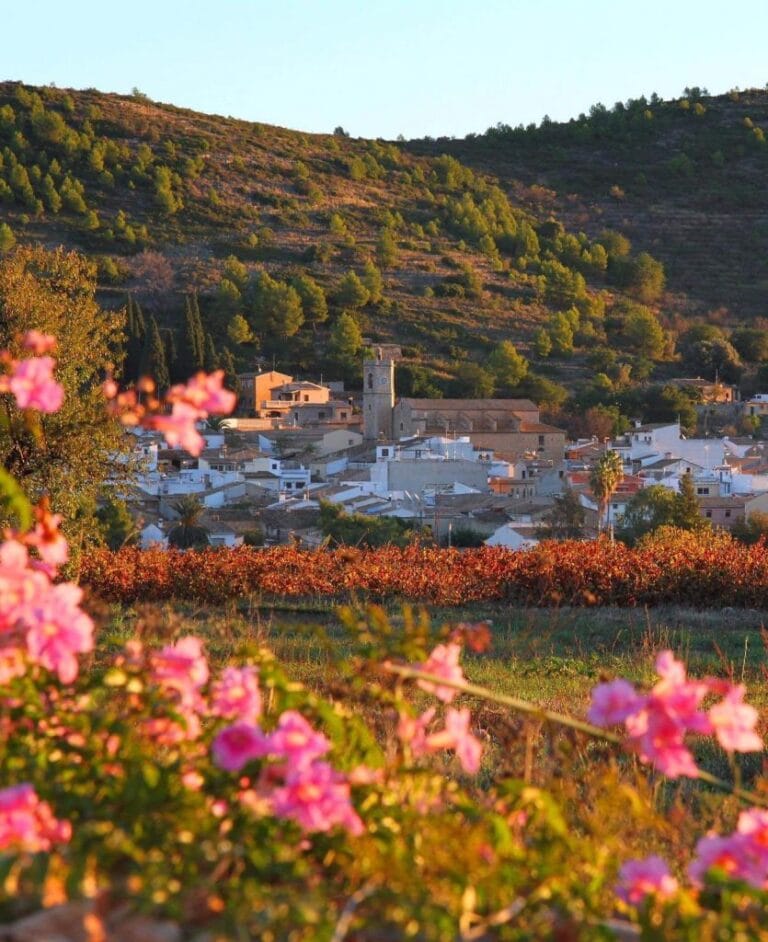
The valley lies sheltered between the mountains of the Marina Alta, twenty minutes from the sea. Days are warm, nights are cool. Exactly the climate moscatel loves. Officially the area falls under the DO Alicante, in the Marina Alta subzone. Llíber, Xaló, Alcalalí and Parcent all belong to it.

For a long time, this valley wasn't really about wine at all. It was about raisins. Farmers dried their moscatel grapes under the riu-rau: a building with an open, arched gallery, where the grapes lay on reed mats, sheltered from rain and dew. In the nineteenth century those raisins were shipped all over the world from the port of Dénia. You'll still spot the arches all over the valley. Some riu-raus have even become part of a winery.

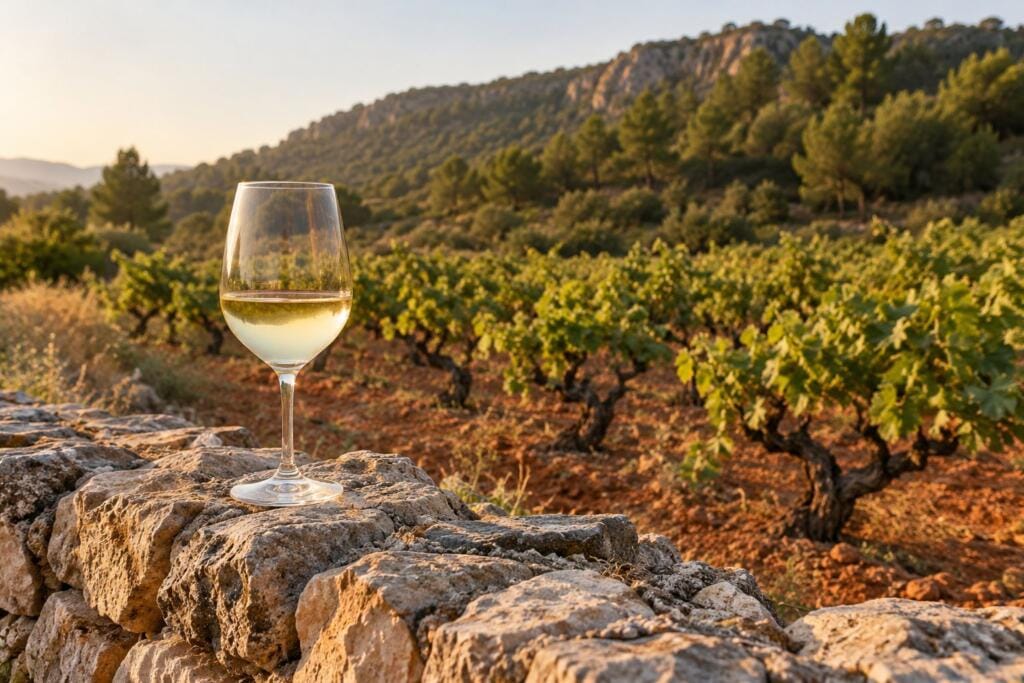
Glass of dry moscatel on a dry stone wall at the edge of a vineyard with bush vines in red soil

You don't even have to leave the village for this one. At Finca de Abargues, a farmhouse dating from 1900 built on an old riu-rau, Pepe Mendoza makes wines with the honest character of the valley. His twelve hectares of vines are organic and dry-farmed. The vines make do with whatever the soil and the rain give them.

Pepe works with moscatel and giró, and some of his wines mature in clay amphorae. Be sure to try the Pureza Ánfora Moscatel. A dry moscatel that tastes completely different from what you'd expect.

  • Visit: by appointment only. Choose between a guided tour and an extended tasting of seven wines with cheese and Iberian cured meats.
  • Distance: a few minutes' drive from Casa Llibertat.
  • Website: Casa Agrícola Pepe Mendoza
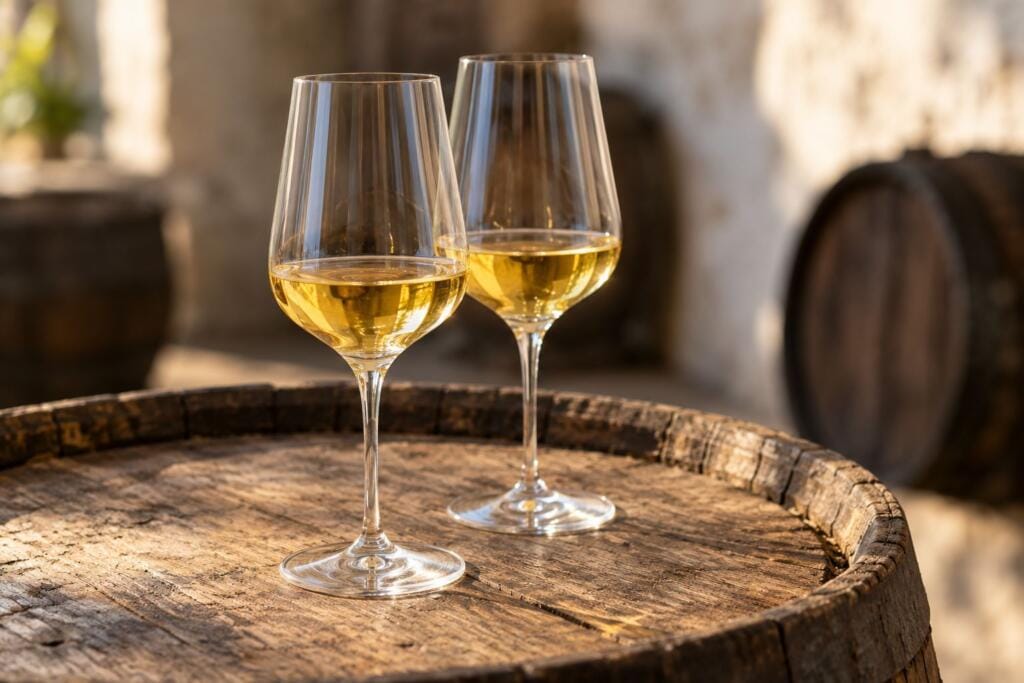
Two glasses of golden sweet moscatel on an old oak wine barrel in a bodega

A quarter of an hour further on, in Parcent, is a family bodega that has been known for its sweet moscatel since 1978. Its wines go by the name Casta Diva. Owner and winemaker Felipe Gutiérrez de la Vega usually gives the tour himself. He takes you right down into the underground cellar where the barrels rest.

  • Visit: by appointment via WhatsApp or email, in English or Spanish. It costs €25 per person.
  • Tip: afterwards, drive up the Coll de Rates, the mountain pass above Parcent with views all the way to the sea.
  • Website: Bodegas Gutiérrez de la Vega

From vine to glass

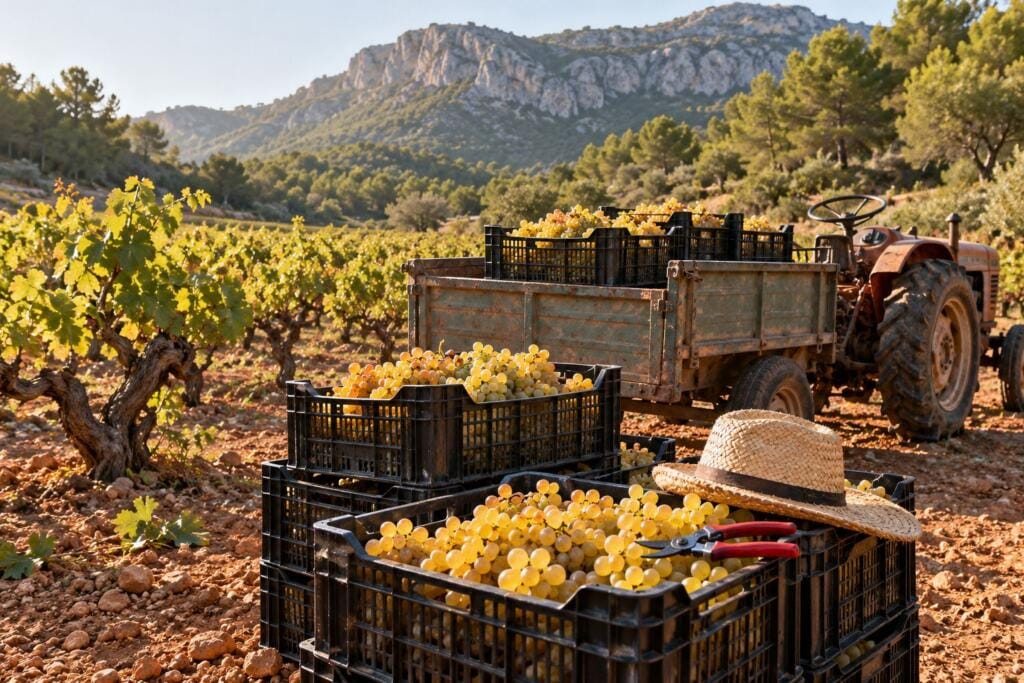
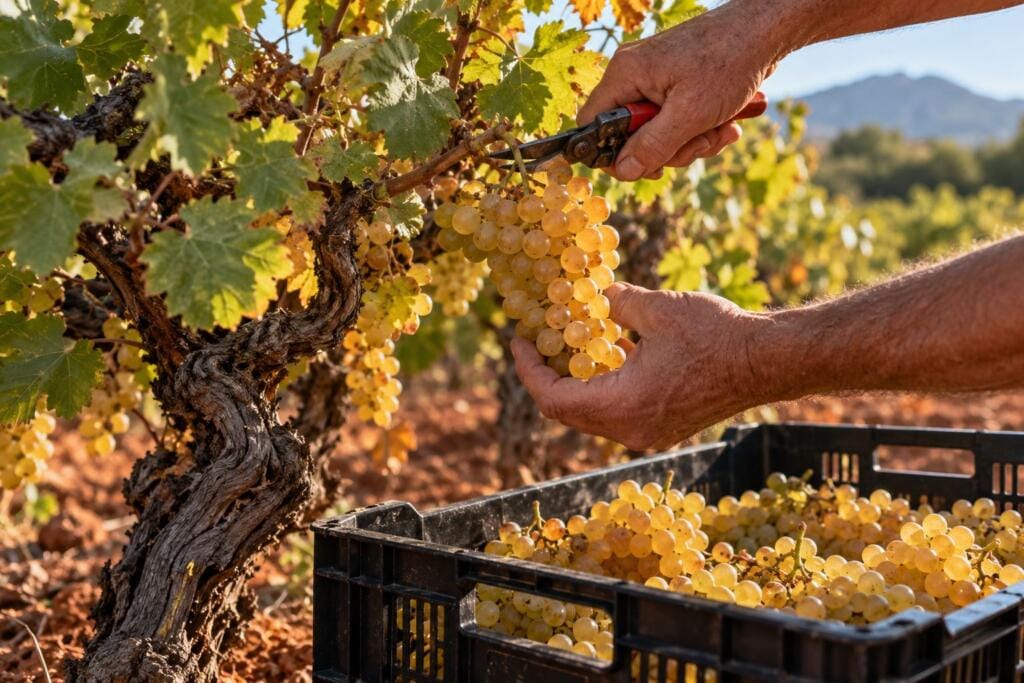
Hands cutting a ripe bunch of moscatel de Alejandría from an old bush vine during the harvest
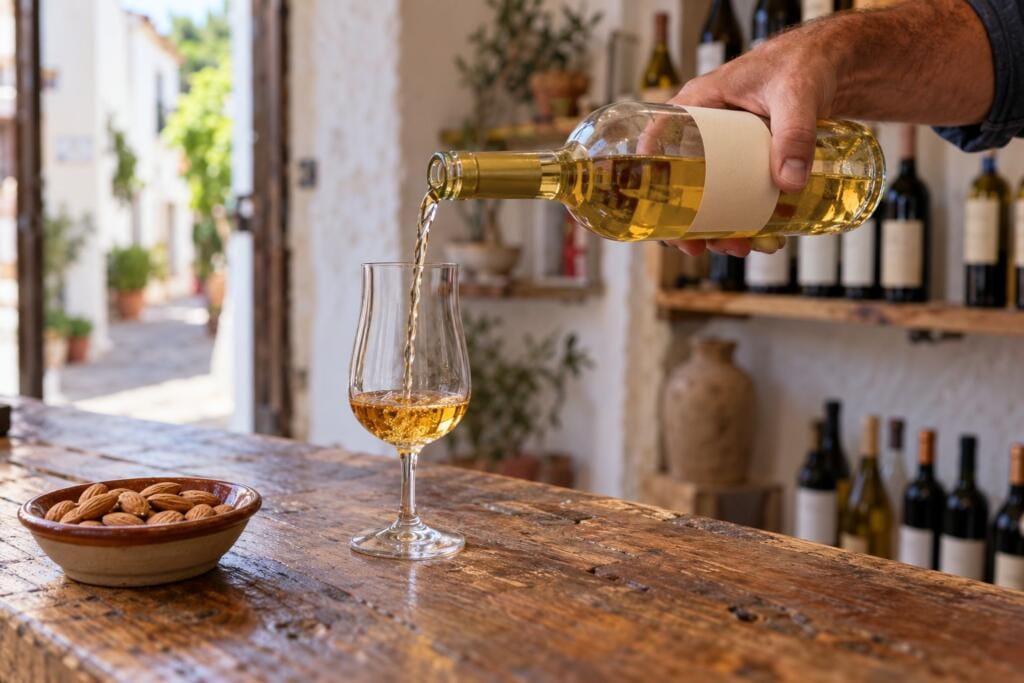
Sweet moscatel being poured into a tasting glass on the wooden counter of a bodega, with almonds alongside
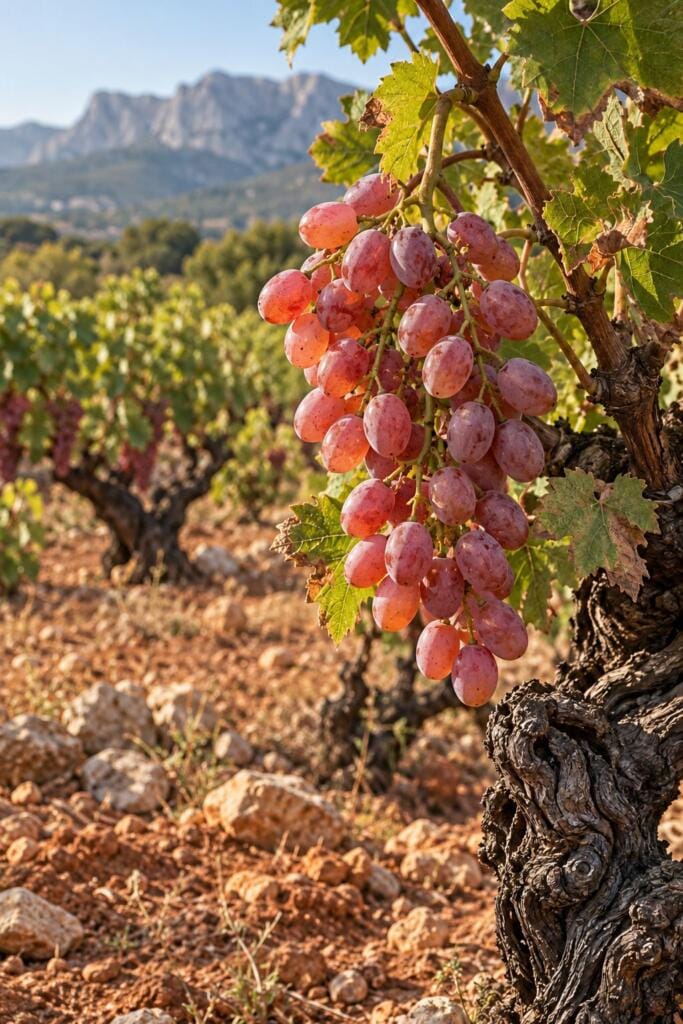
Terraced vineyards with old bush vines and dry stone walls in the Marina Alta, with a white village in the evening light
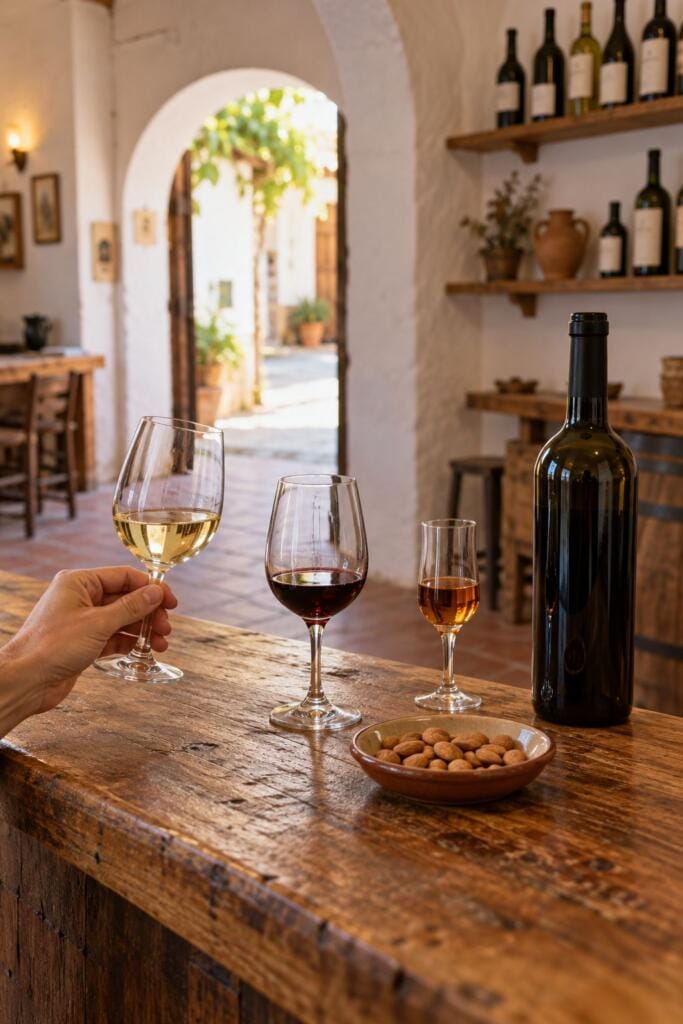
Tasting glasses of white, red and sweet wine and a dish of almonds on the counter of a tasting room
  • Always book: most bodegas only welcome visitors by appointment. We're happy to help you book.
  • Plan around Spanish hours: many bodegas close in the middle of the day. Plan your tasting for the morning or late afternoon and take your time over lunch in between. You'll find our favourite spots in our culinary guide to the Jalón Valley.
  • Who's driving? The bodegas are spread across the valley, so a car comes in handy. Decide in advance who'll be the designated driver.
  • Pick your season: in spring the valley is green and fresh. In late summer the harvest begins and the valley smells of ripe moscatel. In autumn the vines turn gold and red.
  • Take something home: a bottle you can't find in the shops back home makes the best souvenir.

Frequently asked questions about wine tasting in the Jalón Valley

Do you need to book a wine tasting in the Jalón Valley?

Yes, at almost every bodega. Pepe Mendoza, Gutiérrez de la Vega and Les Freses only welcome visitors by appointment. At Bodegas Xaló you book guided tours online, but you can pop into the shop without an appointment.

How much does a wine tasting on the Costa Blanca cost?

At the time of writing, you pay €18 per person at Bodegas Xaló and €25 at Gutiérrez de la Vega. Prices may change, so check each bodega's website for current rates.

What wine is the Jalón Valley known for?

Moscatel, or to give it its full name, moscatel de Alejandría. Here the grape makes dry, fresh white wines as well as sweet moscatel. You can also taste reds made from the local giró grape, as well as sweet mistela.

What is mistela?

Mistela is a sweet fortified wine typical of the Marina Alta. Grape spirit is added to fresh moscatel must, which stops it from fermenting and preserves the grape's natural sweetness. It is served chilled, usually after a meal.

When is the grape harvest in the Jalón Valley?

Moscatel is picked in late summer and early autumn. The exact timing varies from year to year and from vineyard to vineyard. Those are the weeks when the valley is at its liveliest.

Can you combine a wine tasting with padel?

Absolutely. If you choose our Culi Intensief padel package, you'll spend one of the afternoons tasting wine with an organic winemaker here in the valley. You'll find all the details on our padel packages page.